Credit cards casino guide to Visa and Mastercard gambling in 2026
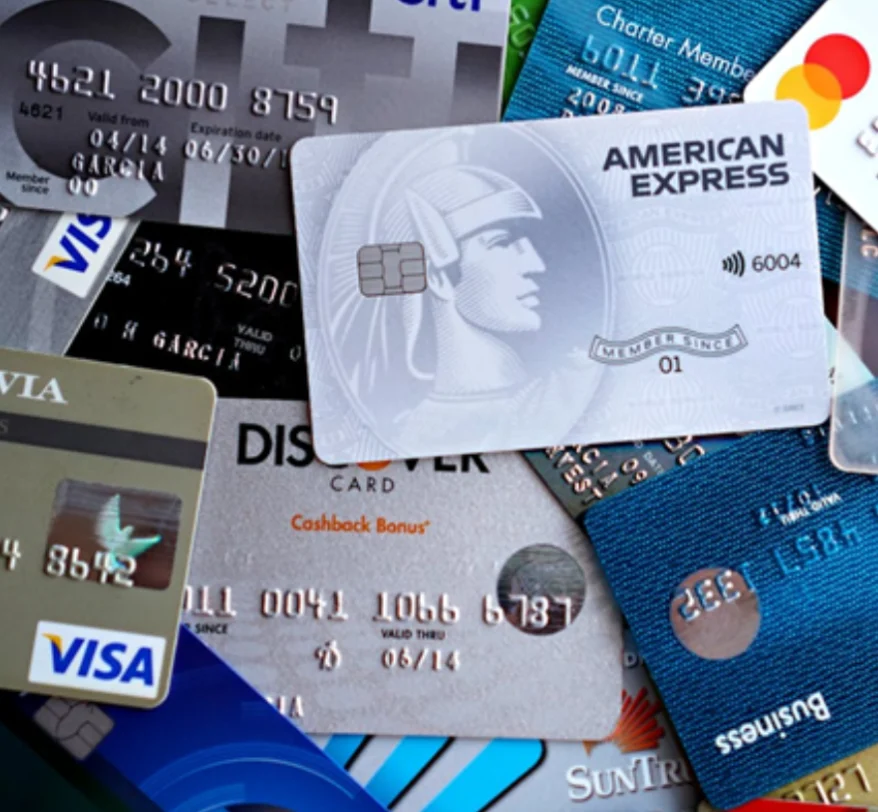
Every year, millions of American players load their gaming accounts using the same plastic they use to pay for groceries. This guide, published by casino32bit.com, breaks down how online casino credit cards work in 2026, what fees to expect, which regions still support this payment method, and how responsible gambling fits into the picture.
We’ve tested dozens of real-money platforms so you don’t have to guess. Whether you’re searching for the best casino that accepts credit cards or comparing transaction costs across providers, this resource covers everything, step by step, with verified figures and practical advice.
We break down each option with clear pros and cons, highlight hidden fees that often go unnoticed, and explain how processing times can vary depending on your region and payment method. You’ll also find insights on security measures, payout reliability, and real user experiences — so you can make informed decisions with confidence.
From quick deposits to smooth withdrawals, every detail is mapped out to help you choose a platform that fits your style, budget, and expectations without unpleasant surprises along the way.
💡
Why credit cards remain popular for casino deposits
Despite a surge in e-wallet alternatives like Skrill and Neteller, Visa and Mastercard still account for roughly 40–45% of all US player deposits at licensed gambling sites. The reason is simple: familiarity. The same secure transactions that protect shoppers on Amazon shield players funding their casino accounts, and most people already carry a card in their wallet, so there’s nothing extra to sign up for. Crypto-friendly e-wallets such as Payeer have grabbed a slice of that market in recent years, but card-based deposits still dominate the cashier mix at every major US-facing operator.
Players looking for an online casino that accepts credit cards will find that Visa and Mastercard remain the most widely supported options across licensed US gambling platforms in 2026. Beyond convenience, credit cards carry built-in buyer protection — disputing an unauthorized charge on a Visa is far more straightforward than recovering funds from a poorly regulated digital wallet.
🎰
How to deposit with credit cards
Adding funds through a credit card on an online casino that takes credit cards follows a predictable sequence, but the details matter. Before you reach the cashier, your account must be fully verified (KYC — Know Your Customer), which typically requires uploading a government-issued ID and a utility bill. Once your account is active and confirmed, the deposit flow takes under two minutes from start to finish. Apple users gambling at iPhone casinos can additionally store the card in Apple Pay, which lets the cashier authenticate via Face ID or Touch ID instead of re-entering the 16-digit number on every visit.
Most deposits settle instantly, which is one reason players continue to prefer credit cards over bank transfers that can take three to five business days. Choosing a casino that accepts credit cards gives you the advantage of instant deposits backed by your bank’s built-in fraud protection and chargeback rights. The instant settlement is particularly valuable when joining a live casino session, where seats at popular blackjack and roulette tables fill up fast and a delayed deposit can mean missing the dealer rotation you wanted to join.
Entering card details safely
Licensed and regulated casino platforms use 256-bit SSL encryption, the same standard that banks use, to protect every keystroke during the card-entry process. Before typing your card number into any casino site, verify that the URL begins with ‘https://’ and that a padlock icon is visible in your browser address bar. Never enter card details on a public Wi-Fi network without a VPN active.
✅
When it comes to the best casino credit cards for US players, low cash-advance fees and a bank policy that permits MCC 7995 transactions are the two factors that matter most. Trustworthy platforms display their licensing credentials (from the Malta Gaming Authority, UK Gambling Commission, New Jersey DGE, or Michigan MGCB) at the bottom of every page.
Understanding 3D Secure verification
3D Secure (3DS) is an authentication protocol jointly developed by Visa (branded as Visa Secure) and Mastercard (branded as Identity Check). When a casino triggers a 3DS challenge, your bank sends a one-time passcode to your registered mobile number or email, or directs you to a biometric confirmation screen within your banking app.
3D Secure 2.0, the current generation of the protocol, is far less disruptive than the original version. Modern risk-scoring algorithms allow low-risk transactions to pass through without manual authentication, meaning many small casino deposits clear invisibly in the background. Larger amounts or unusual patterns — such as a first deposit from a new device — are more likely to trigger a visible challenge. If 3DS fails repeatedly, contact your bank directly, as the card may have gambling merchant category codes (MCCs) blocked at the issuer level.
Credit card withdrawal restrictions at casinos
Here is where US players frequently run into frustration. While depositing via credit card is smooth at most top online casino sites, withdrawing back to the same card is a different story. The UK’s Gambling Commission banned credit card casino deposits in 2020, and in the US, many card issuers independently block refunds to credit card accounts used for gambling purposes, citing their own risk management policies.
In practice, even when a casino lists “credit card” as a withdrawal option, your bank may reject the incoming transfer. The platform’s cashier will often default to an alternative method for payouts — bank wire, check by courier, or a linked e-wallet. Players who deposited via Visa and expected same day cashout back to the card frequently encounter withdrawal limits and mandatory processing time windows of three to seven business days instead.
💡
❌
Transaction fees and cash advance charges
When a bank classifies a casino deposit as a cash advance rather than a standard purchase, two things happen simultaneously: your card’s cash advance interest rate kicks in immediately (typically 24–29% APR, with no grace period), and a cash advance fee of 3–5% of the transaction amount is applied upfront. On a $200 deposit, that’s $6–$10 in fees before you’ve even clicked “Spin.”
Not every bank treats gambling merchant codes the same way. Capital One historically processes many online casino charges as regular purchases. Chase and Citi are more likely to flag them as cash advances. The only reliable way to know your bank’s policy is to call the number on the back of your card and ask specifically how they classify MCC 7995 (the merchant category code assigned to betting and gambling establishments).
A practical alternative is to use a prepaid Visa or Mastercard, topped up from a bank account. These cards carry no APR because they aren’t credit instruments, and they’re widely accepted at casino sites. The downside is that topping up the prepaid card itself may take one to two business days, eliminating the instant transfer advantage of standard credit cards.
💡
Credit card acceptance rates by region
Within the United States, credit card acceptance varies significantly by state rather than by country, because online gambling is regulated at the state level. New Jersey, Michigan, Pennsylvania, West Virginia, Connecticut, and Delaware operate fully licensed online casino markets where card payments are generally available. In Canada, Australia, and most of the European Union, Visa and Mastercard remain dominant payment methods with acceptance rates above 85% on major platforms.
Players in restricted US states should investigate whether a casino operating under an offshore license actually processes card payments before creating an account, since a declined charge wastes time and can temporarily lower a credit score through hard inquiry records.
Security features protecting cardholders
Both Visa and Mastercard have invested heavily in fraud prevention technology over the past decade. Visa’s Zero Liability Policy means that cardholders are not responsible for unauthorized transactions reported promptly — a significant safety net for real money gambling accounts. Mastercard’s SecureCode and Visa’s Verified by Visa programs work in tandem with the 3D Secure protocol, adding a second authentication layer that fraudsters cannot easily defeat.
Additionally, most card issuers allow you to set spending controls directly within their mobile apps. Setting a daily or weekly limit specifically for gambling-coded merchants adds a client-side restriction that even a compromised casino account cannot bypass, because the block sits at the bank level, not the casino level.
Responsible gambling with credit cards
Playing with borrowed money carries a risk profile fundamentally different from playing with money you already own. When you use credit cards to fund casino accounts, you are in effect borrowing from your card issuer at the rates described above. If those sessions result in losses, the debt remains regardless of outcome. Responsible gambling organizations consistently flag credit card use as a higher-risk funding behavior compared to debit cards or prepaid cards.
🛑
All licensed US casino platforms are required by their state regulators to offer responsible gambling tools — deposit limits, session time reminders, reality checks, self-exclusion programs, and helpline links. The best approach is to treat credit card gambling deposits exactly as you would any other discretionary purchase: set a monthly cap, pay the card balance in full every statement cycle, and never chase losses with a second deposit when your pre-set budget is exhausted.